

Hey there! As a supplier of Outdoor Compact Substations, I often get asked about the role of transformers in these setups. So, I thought I'd take a moment to break it down for you.
The Basics of an Outdoor Compact Substation
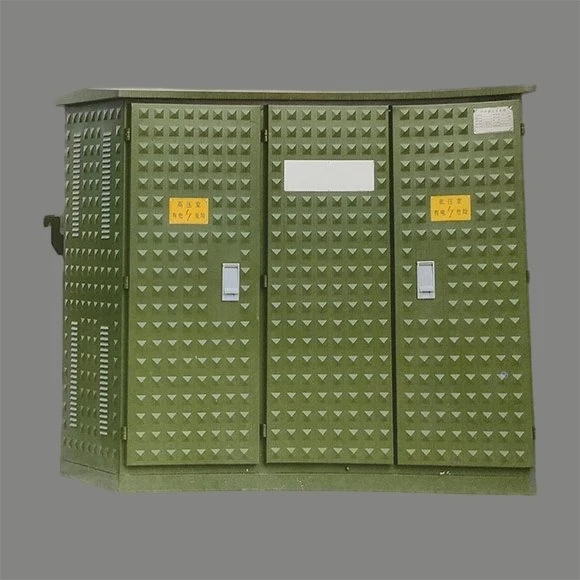
First off, let's quickly touch on what an Outdoor Compact Substation is. It's a self - contained unit that integrates various electrical equipment. They're designed to be installed outdoors and are often used in areas where space is limited, like in urban neighborhoods, industrial parks, or even for renewable energy projects. You can learn more about these substations here.
What's a Transformer and Why is it There?
Now, onto the star of the show: the transformer. A transformer is a static electrical device that transfers electrical energy between two or more circuits through electromagnetic induction. In an outdoor compact substation, the transformer has several crucial functions.
Voltage Transformation
The most well - known function of a transformer is voltage transformation. When electricity is generated, it's often at a relatively low voltage. But for efficient long - distance transmission, it needs to be stepped up to a much higher voltage. That's where the power transformer in the substation comes in. It takes the low - voltage electricity from the generating source and increases the voltage. For example, in a PV Step - up Substation used in a solar power plant, the transformer boosts the DC power converted to AC at a low voltage by the solar panels to a high - voltage level suitable for grid transmission.
On the other side, when the electricity reaches its destination, it needs to be stepped down to a safe and usable level for consumers. In an outdoor compact substation near a residential area, the transformer takes the high - voltage electricity from the transmission lines and reduces it to the lower voltage (usually 110V or 220V depending on the region) that our household appliances can handle.

Isolation
Another important function of the transformer is isolation. It provides electrical isolation between the primary and secondary circuits. This isolation is crucial for safety reasons. It helps prevent electrical faults in one circuit from affecting the other. For instance, if there's a short - circuit on the secondary side (the side closer to the consumers), the transformer can limit the spread of the fault to the primary side (the side connected to the high - voltage transmission lines). This protects the entire power grid from major disruptions and also enhances the safety of the users and the equipment connected to the substation.
Power Distribution
Transformers in outdoor compact substations play a key role in power distribution. They help in distributing the electrical power to different loads. By having different tap settings, the transformer can adjust the output voltage to meet the specific requirements of various types of loads. In an industrial area served by an outdoor compact substation, different factories may have different power requirements. The transformer can be configured to supply the right voltage and power to each factory, ensuring that all the industrial equipment operates smoothly.
Types of Transformers in Outdoor Compact Substations
There are several types of transformers commonly used in outdoor compact substations.
Power Transformers
Power transformers are used for high - voltage transmission and distribution. As mentioned earlier, they are responsible for stepping up or stepping down the voltage. In large - scale power distribution networks, power transformers are the workhorses that ensure the efficient transfer of electricity over long distances.
Distribution Transformers
Distribution transformers are usually smaller in size and are used to provide the final voltage transformation for end - users. They are often found in residential and commercial areas, taking the medium - voltage power from the distribution lines and converting it to low - voltage power suitable for home and business use. You can get more details about these types of transformers based on different applications like in Wind Power Compact Substation and Wind Power Combined Transformer.
Pad - Mounted Transformers
Pad - mounted transformers are a popular choice for outdoor compact substations, especially in areas where aesthetics and safety are important. They are installed on a concrete pad and are often used for underground distribution systems. You can learn more about Underground Pad Mounted Transformer. These transformers are designed to be accessible for maintenance while being protected from the elements and unauthorized access.
Considerations for Transformer Installation in Outdoor Compact Substations
When installing a transformer in an outdoor compact substation, there are several factors to consider.
Environment
The outdoor environment can be harsh, with exposure to extreme temperatures, humidity, dust, and even chemicals in some industrial areas. The transformer needs to be designed to withstand these conditions. For example, it should have a proper cooling system to prevent overheating in hot weather and be protected against corrosion in humid or chemical - laden environments.
Safety
Safety is of utmost importance. The transformer should be installed in a way that minimizes the risk of electrical hazards to both the public and the maintenance personnel. This includes proper grounding, insulation, and protective enclosures.
Efficiency
Efficiency is a key factor in today's energy - conscious world. A high - efficiency transformer can reduce energy losses during the voltage transformation process, which not only saves energy but also lowers operating costs in the long run.
Importance of Transformers in Renewable Energy Integration
As the world moves towards more renewable energy sources like solar and wind, the role of transformers in outdoor compact substations becomes even more critical. In renewable energy projects, transformers are used to integrate the variable power output of solar panels and wind turbines into the existing power grid.
For example, in a wind farm, the Wind Power Combined Transformer is used to step up the low - voltage power generated by the wind turbines to a high - voltage level for transmission. Similarly, in a solar power plant, the PV Step - up Substation uses transformers to convert the DC power from the solar panels to AC power and then step up the voltage for grid connection.
Conclusion
In a nutshell, transformers are the heart of an outdoor compact substation. They handle voltage transformation, isolation, and power distribution, making them essential for the efficient and safe operation of the electrical system. Whether it's for traditional power distribution or the integration of renewable energy sources, transformers play a vital role.
If you're in the market for an outdoor compact substation or have any questions about the role of transformers in your specific application, feel free to reach out for a procurement discussion. We're here to help you find the best solutions for your power needs.
References
- Electrical Power Systems: Principles and Applications, Second Edition by Allan R. Hambley
- Handbook of Electric Power Calculations, Fourth Edition by Hadi Saadat