

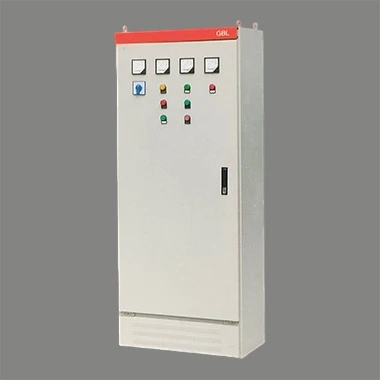
Hey there! As a supplier of GBL Power Distribution Cabinets, I often get asked about the insulation resistance of these cabinets. So, I thought I'd take a few minutes to break it down for you.
First off, let's talk about what insulation resistance actually is. In simple terms, it's a measure of how well the insulation in an electrical system resists the flow of electric current. In the case of a GBL Power Distribution Cabinet, good insulation resistance is crucial for safety and proper functioning.
The insulation resistance of a GBL Power Distribution Cabinet is affected by several factors. One of the most important is the quality of the insulation materials used. High - quality insulation materials, like certain types of plastics and rubbers, have a high resistance to the flow of electricity. This means they can prevent electrical leakage and short - circuits, which are not only dangerous but can also damage the equipment inside the cabinet.
Another factor is the environment in which the cabinet is installed. If the cabinet is in a humid or dirty environment, the insulation resistance can be reduced. Moisture can conduct electricity, and dirt can also create paths for electrical current to flow where it shouldn't. So, proper installation and maintenance are key to ensuring good insulation resistance.
Now, let's get into the numbers. The insulation resistance of a GBL Power Distribution Cabinet should typically be quite high. Industry standards usually require a minimum insulation resistance of several megohms. For example, in many cases, an insulation resistance of 1 megohm or more is considered acceptable. However, the exact value can vary depending on the specific application and the requirements of the electrical system.
To measure the insulation resistance of a GBL Power Distribution Cabinet, a special tool called an insulation resistance tester is used. This tester applies a known voltage to the insulation and measures the resulting current. Using Ohm's law (V = IR, where V is voltage, I is current, and R is resistance), the insulation resistance can be calculated.
It's important to note that regular testing of the insulation resistance is necessary. Over time, the insulation in the cabinet can degrade due to factors like heat, mechanical stress, and chemical exposure. By conducting regular tests, any potential issues with the insulation can be detected early, and appropriate action can be taken to prevent electrical problems.
As a GBL Power Distribution Cabinet supplier, we take great care in ensuring that our cabinets meet the highest standards of insulation resistance. We use top - quality insulation materials and subject our products to rigorous testing before they leave the factory.
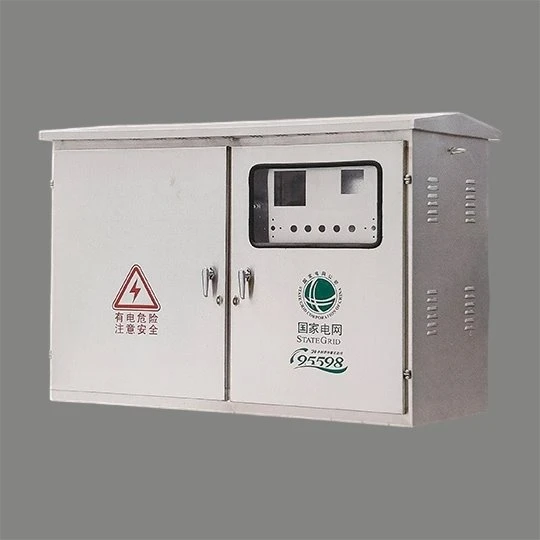
If you're in the market for a GBL Power Distribution Cabinet, you might also be interested in an Integrated Distribution Box. These boxes are a great option for those who need a more compact and integrated solution for their electrical distribution needs. And of course, our GBL Power Distribution Cabinet offers a reliable and efficient way to manage your electrical power.
We understand that every customer has unique requirements. Whether you're looking for a cabinet for a small - scale project or a large industrial application, we can provide the right solution for you. Our team of experts is always ready to help you choose the best product and answer any questions you might have.
If you're interested in purchasing a GBL Power Distribution Cabinet or learning more about our products, don't hesitate to reach out. We're here to assist you in finding the perfect electrical solution for your needs. Let's start a conversation and see how we can work together to meet your power distribution requirements.
References
- Electrical Installation Handbook, various editions
- Standards and guidelines from relevant electrical industry associations